This article was produced in partnership with NHS England
When we talk about Black women's health, we often end up talking about one issue at a time. We talk about menopause as if it has nothing to do with our mental health, or talk about maternal health, fibroids, breast cancer and heart disease as if they fit into separate, neat little boxes that never intersect with anything else.
The reality is that our health doesn’t exist in separate boxes. We experience it as one whole person moving through different stages of life, often balancing work, family, caring responsibilities and our own wellbeing, all at once.
That’s why it was such a privilege to join the conversation at this year’s Black Ballad Weekender, where the theme was “where Black women are whole, happy and healthy”. Across the weekend, women shared their experiences openly and honestly, reminding us that health is about so much more than what happens in a GP consultation or hospital appointment.
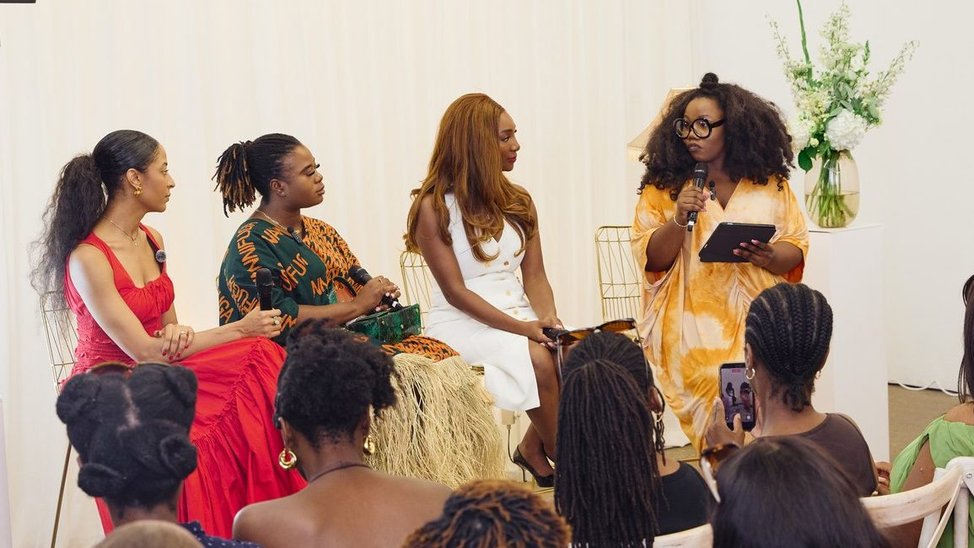
As a GP, I know that for many Black women, healthcare can feel complicated. While there are countless examples of excellent care delivered every day, we cannot ignore the fact that some women have had experiences that have left them feeling dismissed, misunderstood or not listened to. Those experiences matter. To truly think about our health holistically, we must remember that it is also about feeling heard, feeling informed and feeling empowered to make decisions that are right for you.
Trust is not built by telling people what they should do. It is built through honest conversations, acknowledging concerns and creating spaces where women feel respected and able to ask questions without judgement. That was one of the things I loved most about the conversations at the Weekender. Women weren’t looking for lectures, they were looking for information, understanding and practical ways to take control of their health. Whether the topic was hormones, gynaecological health, mental wellbeing or healthy ageing, there was a common thread running through every discussion: knowledge is power.
The more we understand our bodies, the more confident we feel advocating for ourselves. That includes understanding our risk factors for different health conditions, knowing what screening programmes are available to us, recognising changes in our bodies, and seeking support when something doesn’t feel right. It also includes understanding how vaccinations can protect us at different stages of our lives.
Questions and concerns are normal and wanting to understand the evidence behind a healthcare recommendation shows diligence.
Vaccinations are sometimes thought of as something we receive as children and then forget about. In reality, they form part of our health journey throughout adulthood too. For some women, that may mean vaccinations during pregnancy to help protect both mother and baby. For others, it could be staying up to date with seasonal vaccinations, such as flu, or taking up vaccines that become available as we get older or if we have certain health conditions.
But like any healthcare decision, people need access to clear information to make informed choices. Questions and concerns are normal, and wanting to understand the evidence behind a healthcare recommendation shows diligence. As healthcare professionals, our role is not simply to provide recommendations but to listen, answer questions honestly and support people in making decisions that feel right for them.
Amina Hatia, Tommy’s midwifery manager, agrees saying, “Every woman deserves to feel listened to, respected and supported throughout pregnancy. Having access to trusted information and compassionate care helps women make informed choices that are right for them and their families, including decisions about vaccinations that can help protect both mother and baby.”
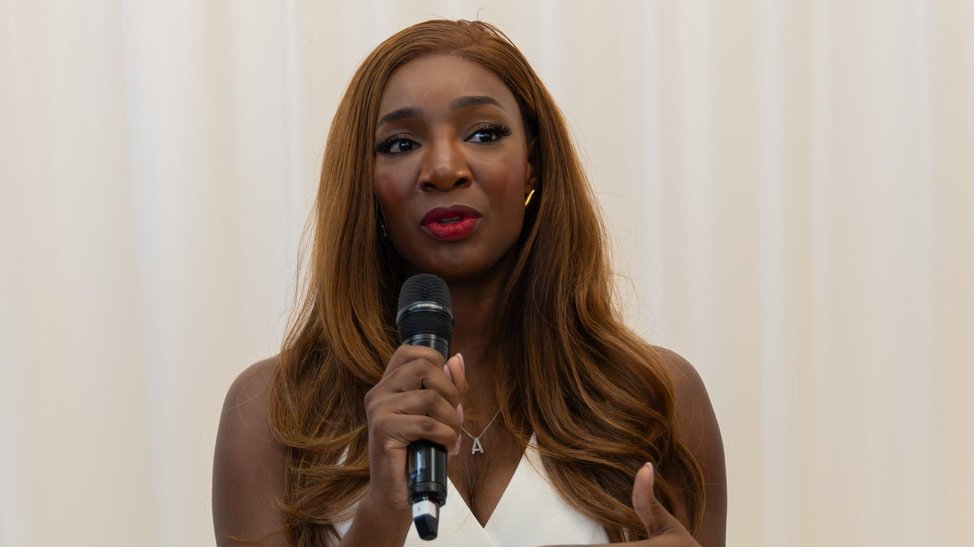
What struck me during The Weekender was how engaged women were when conversations about vaccination were framed within the wider context of wellbeing. Not as a standalone issue, but as part of a bigger discussion about caring for ourselves and our families.
Because looking after your health holistically is attending your screening appointments as well as moving your body and nourishing yourself. It’s prioritising your mental health and making sure you find healthcare professionals who listen. It’s understanding your hormones, knowing your family history and asking your GP for the information you need to make a healthcare decision.
And yes, it's considering the vaccinations that may help protect you and those you love at different stages of life. None of these things exist in isolation.
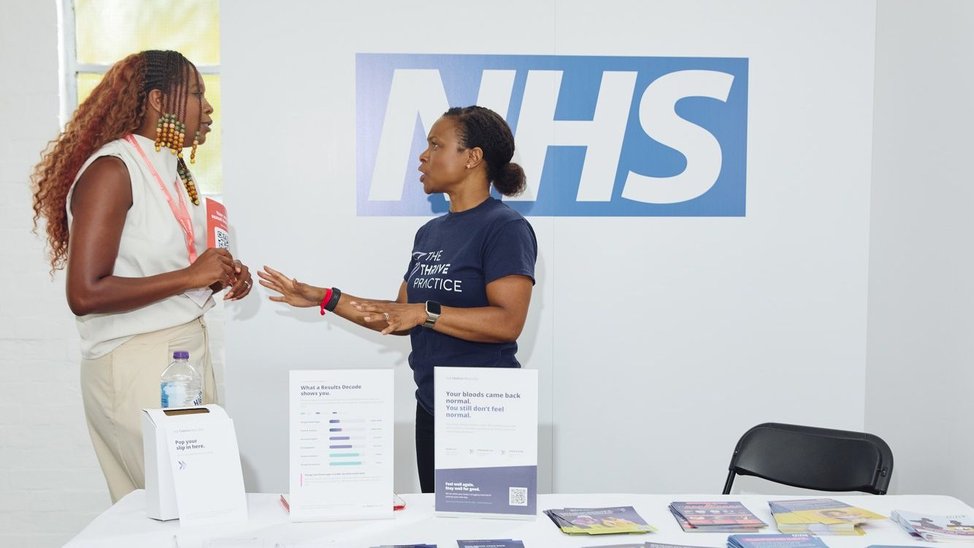
Black women have always been powerful advocates for our families, our communities and one another. We share information, support each other and show up when it matters. The conversations at The Black Ballad Weekender reminded me that there is enormous strength in creating spaces where Black women can come together to learn, reflect and prioritise their health unapologetically.
My hope is that every woman who attended left feeling more confident to ask questions, seek support and take the next step on her health journey, whatever that looks like for her. Because being whole, healthy and happy isn’t about perfection: it’s about having the knowledge, confidence and support to make informed choices for ourselves at every stage of life.
Whatever stage of life you're in, having access to trusted information can help you make informed decisions about your health. Visit the NHS website find out more about vaccinations throughout childhood, adulthood and pregnancy.
more on advocating for ourselves & our health on black ballad
Fiske Nyirongo
Why Every Black Woman Should Know Her Family’s Health History
Wednesday 4 February 2026 10:00 AM